
Feasibility, carrying capacity and positioning
Test the proposition before design, capital and operating assumptions harden.
Covers: concept and market testing, carrying capacity, positioning.
View service →Enzyme Consulting is a regenerative hospitality advisory headquartered in Singapore, founded and led by Andrew Cameron. It helps hotel owners, operators, developers and destinations across Asia Pacific connect commercial strategy, procurement, food systems, operations, technology and governance so sustainability commitments hold in practice.
Hotels that regenerate
Sustainability sits in one team, revenue in another, guest experience in a third, procurement somewhere off the org chart. Each optimises for its own number. Held apart, the parts work against one another. The asset pays for it.
Held together, the same parts can support better decisions. A change in how a property is positioned, how it buys or how it measures progress can affect the whole system. That’s the work: making the connections visible, then deciding where action matters most.
Services
Test the proposition before design, capital and operating assumptions harden.
Covers: concept and market testing, carrying capacity, positioning.
View service →Bring sourcing, supplier capability and daily operating reality into the same decision process.
Covers: supplier strategy, operating standards.
View service →Connect place, commercial intent, procurement and operating requirements before delivery fragments.
Covers: pre-design briefs, destination strategy, place and community.
View service →Choose and test technology against an operating need rather than a feature list.
Covers: technology pilots, partner selection, innovation governance.
View service →Add senior implementation capacity without creating another advisory layer.
Covers: embedded sustainability and procurement leadership, board briefings, handover.
View service →Define what progress means and build evidence decision-makers can use.
Covers: baselines, evidence standards, claims review, reporting and governance.
View service →The Method
I
We map the asset as a whole system: stakeholders, resource flows, dependencies and the priority intervention points that actually move it.
II
We turn the map into a sequenced transition architecture that connects food, energy, procurement, experience and governance.
III
We embed senior capacity to implement the blueprint alongside your team, not in place of it.
IV
We instrument progress and report it against the standards investors, lenders and regulators now expect.
V
We position the asset for scale and the next cycle, and leave the method with your people.
Who we work with
Clarify feasibility, risk and the operating choices that shape long-term asset performance.
Connect brand commitments with procurement, operations, measurement and team adoption, including at luxury and ultra-luxury resorts.
Bring operating reality into the project before design and procurement decisions become expensive to reverse.
Coordinate tourism, community, conservation and economic priorities across the destination system.
Test new technology and products against real operating needs before they reach a portfolio.
The commercial case
USD 7
Saved for every USD 1 hotels invested in cutting kitchen food waste. Over 70% of sites recouped the investment within a year.
4.3%
Average premium European hotel investors expect to pay for assets with top-tier certification such as BREEAM Outstanding or LEED Platinum.
100M+
Room nights booked on Booking.com in 2025 at properties holding third-party sustainability certification.
The compliance case
27 Sept 2026
The EU bans generic environmental claims such as “eco-friendly”, and sustainability labels not based on a certification scheme, in marketing to EU consumers.
2025–2027
Mandatory climate reporting is phasing in: Singapore-listed companies from FY2025, with Scope 3 for Straits Times Index companies from FY2026; Australian entities in three groups from January 2025 to July 2027.
26×
Supply-chain emissions compared with direct operational emissions, on average, for companies reporting to CDP.
Selected Work
Southeast Asia · Systems mapping
Systems mapping of a coffee value chain in Southeast Asia, described at scope level.
Southeast Asia · Destination strategy
Tourism, sustainability and regenerative-development analysis for a government client in Southeast Asia.
How we work
We connect commercial priorities, sourcing, supply networks, operating realities and sustainability before decisions fragment.
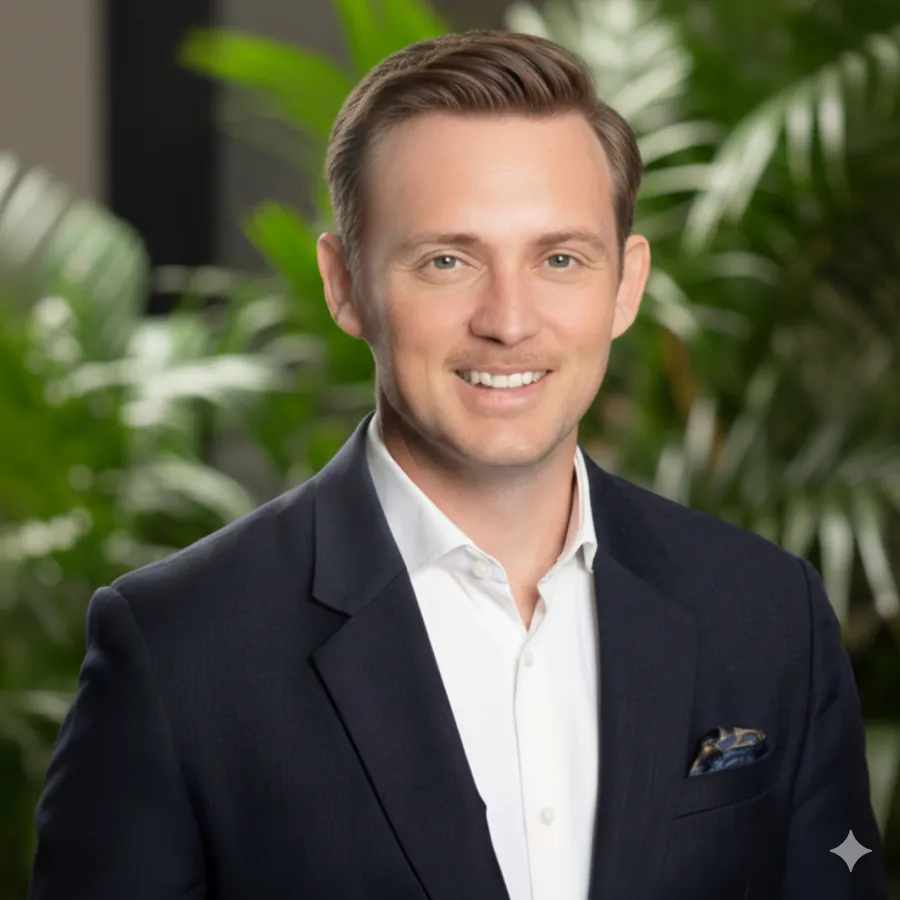
Founder
Hospitality systems integration grounded in operating experience and enterprise transformation.
Andrew Cameron is a hospitality systems integrator working across commercial strategy, operations, procurement, sustainability, food systems and technology.
Insights
April 2026
How cooperation shaped evolution and why the systems built around competition alone are beginning to show their limits.
Read essay →April 2026
What Dacher Keltner’s research reveals about encounters with vastness and the experiences guests remember.
Read essay →April 2026
What Michael Pollan’s work on consciousness reveals about human hospitality and where technology will always fall short.
Read essay →Before you get in touch
We help hospitality, tourism and food organisations connect commercial priorities, supply networks, operations and sustainability. We make the system visible, agree where action matters and stay close to implementation.
Hotel owners and asset managers, developers, operators and brands, destination authorities and development agencies and selected food or technology companies working with hospitality. Decisions sit with owners, boards and executive teams.
Most engagements run from a scoped diagnostic through to embedded delivery, priced to the asset, the decision at stake and the depth of delivery required. Fractional leadership runs on a monthly retainer. Every engagement starts with a scoping conversation, not a proposal, and Andrew gives an honest read on scale in the first call.
A diagnostic and systems map takes four to six weeks. Early operational changes, often in procurement or food and beverage, can begin within a quarter. Positioning and valuation effects take a full cycle to assess, which is why we measure from the start.
Headquartered in Singapore. Working across Asia Pacific. Andrew Cameron leads every engagement personally.